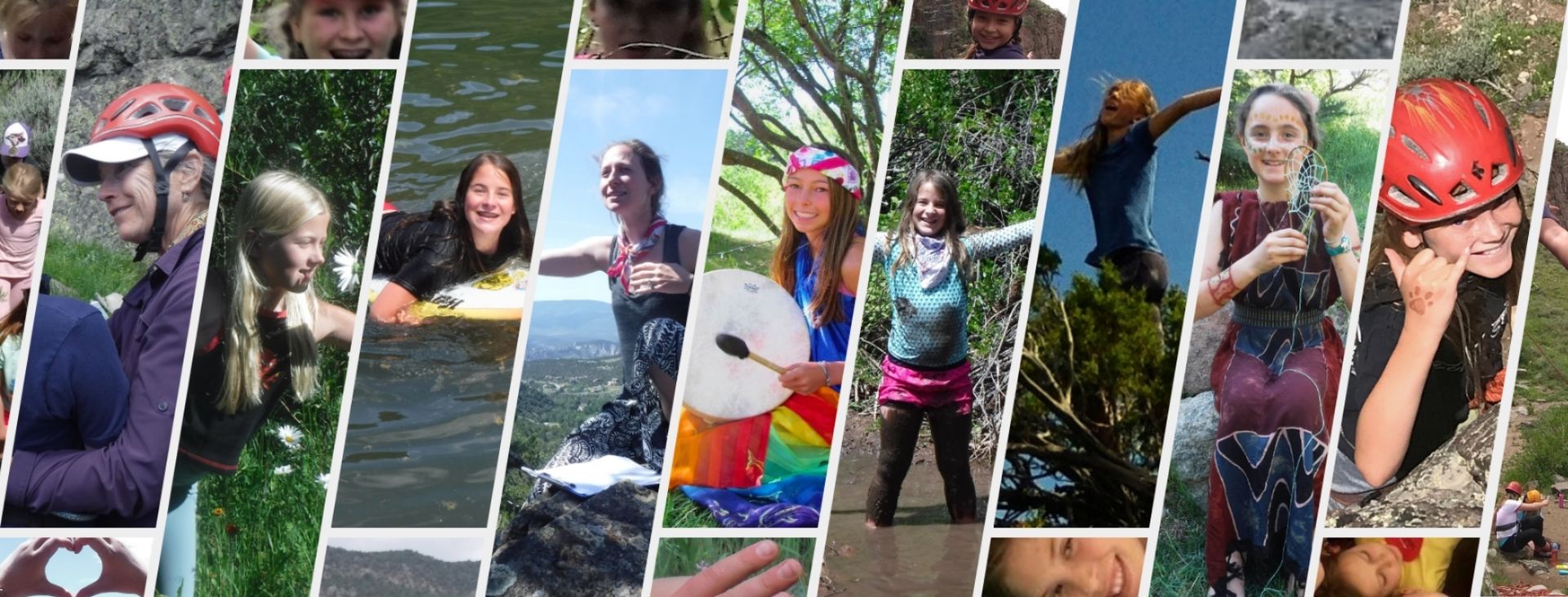
The Challenge We Face
Understanding What the Next Generation Needs—And the Opportunity to Meet the Challenge.
Whether you're building a program, shaping a policy, or raising children, the disconnection facing today's young people touches all of us. Read on to see what we're seeing, what the research shows, and how Wild Earth Wisdom Camps is meeting the challenge.
A Generation Calling for Reconnection
Today's young people are navigating a real and rising disconnection challenge — not because they're broken, but because the systems around them have pulled them away from the very things that build resilient humans: nature, authentic relationship, meaningful challenge, and belonging to something larger than themselves. For camp leaders, educators, and youth-serving organizations, this isn't an abstract concern. It's the central challenge reshaping how programming must be designed.
4 in 10 are Sad
4 in 10 high school students report persistent sadness.*
5.2M Depressed
5.2 million U.S. teens experienced major depression in 2024.*
No.2 Cause
Suicide remains the 2nd leading cause of death for ages 10–14.*
*Sources:

The Root Cause: Four Critical Disconnections
- Nature: Extended screen time is pulling young people into chronic states of high alert, wiring their nervous systems for threat-response rather than rest and reflection.
- Each Other: Missing authentic, face-to-face connection and the deep friendships that build resilience.
- Meaningful Challenge: Deprived of opportunities to discover genuine capability through real, embodied accomplishment.
- Their Authentic Selves: Losing touch with their own inner voice, values, and sense of purpose.
Nature as the Missing Piece
The science behind this work is well established. Attention Restoration Theory, developed by researchers Stephen and Rachel Kaplan, shows that time in nature restores cognitive
focus depleted by constant digital stimulation. Young people who spend structured time in natural settings show measurable improvements in concentration and mental clarity
compared to those in built environments.
Physiologically, the evidence is just as clear: a landmark University of Michigan study found that just 20 minutes in nature produces
a significant, measurable drop in cortisol, the body's primary stress hormone — with the greatest relief occurring in the 20-to-30-minute range.
This is the foundation Richard Louv named "Nature-Deficit Disorder" in 2005 — not a clinical diagnosis, but a widely adopted framework describing what happens when young people are cut off from the natural
world for too long. The research is consistent: reconnection isn't a nice-to-have. It's a measurable, physiological reset.
Sources:
— Kaplan & Kaplan (1989), Attention Restoration Theory
— Hunter, Gillespie & Chen (2019), Frontiers in Psychology
— Louv, R. (2005), Last Child in the Woods
Gender Specifics
What Girls Face
- 57% don't believe they're smart enough for their dream career (YPulse & The Confidence Code Research)
- Constant pressure to be perfect across academics, appearance, athletics, social life
- Limited spaces to be authentic and vulnerable without judgment
- Few opportunities for genuine rite-of-passage experiences honoring the transition to womanhood
What Boys Face
- Narrow definitions of masculinity that discourage emotional expression
- Few male role models who demonstrate strength combined with vulnerability
- Limited safe spaces to explore authentic identity beyond stereotypes
- Lack of meaningful initiation experiences that guiding the journey to manhood
The Path Forward: Reconnection as Healing
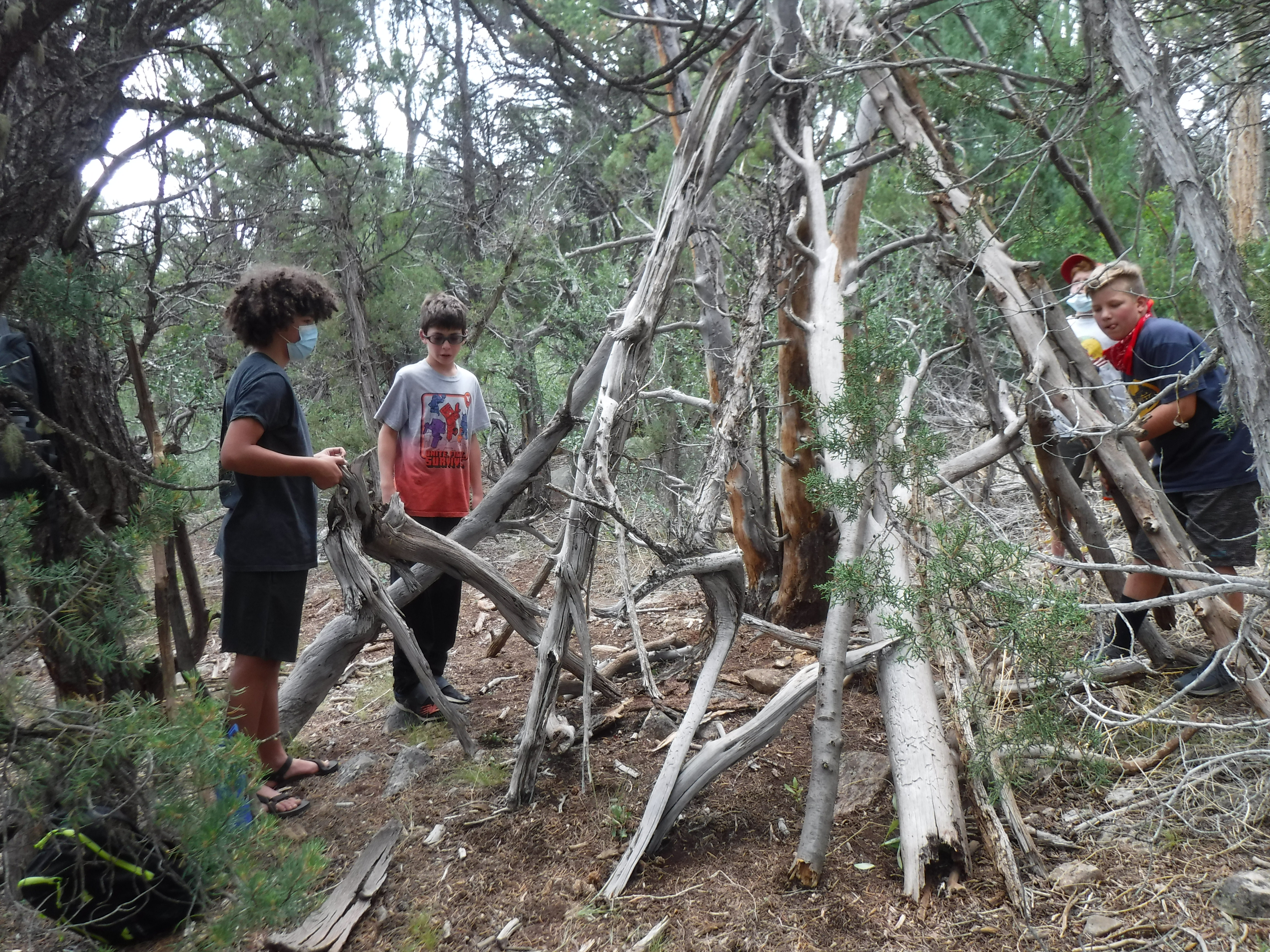
Here's the operating truth behind everything we do: young people aren't damaged, they're disconnected from their birthright—a deep, embodied relationship with the natural world and their place within it. Programs that create extended time in nature, away from devices and immersed in authentic connection, consistently produce transformation. This is the design principle behind every Wild Earth Wisdom Camps curriculum.
Understanding the issues our kids face is only the starting point. Discover how our youth camp experiences help children break free from screen overload and reconnect with the natural world →
What This Approach Delivers
Multi-day immersion in nature offers what therapy, medication, and classroom learning alone often can't reach: the chance for young people to rediscover genuine capability through real challenge and find their place in the web of life. Through 16 years of refinement with hundreds of children, Wild Earth Wisdom Camps has built a comprehensive system that consistently guides young people back to themselves—calm, confident, connected, and empowered. This mirrors what the research shows: a 2024 meta-analysis of outdoor adventure education programs found significant, measurable gains in resilience, self-esteem, and social belonging compared to no intervention at all. It's a system built to be shared, adapted, and delivered by organizations like yours.
Source: Systematic Review and Meta-Analysis, Journal of Adventure Education and Outdoor Learning (2024)
Overcoming the challenges demands more than standard outdoor recreation. Learn about the wisdom-led framework and rites-of-passage methodology behind our camps →
Testimonial
“I watched my own middle school daughter grow in confidence in just a matter of days after the difficult challenges of middle school where bullying wrecks self-esteem. As an educator of 30 years, this experiential learning wires the brain differently, building grit and emotional intelligence in ways no worksheet ever could.”
Frequently Asked Questions
Understanding youth mental health, nature-deficit disorder, and evidence-based solutions.
Modern children and teenagers are navigating unprecedented levels of chronic anxiety, clinical depression, sensory overload, and relational isolation. According to the CDC, over 40% of high school students report persistent feelings of sadness or hopelessness, with suicide tragically standing as the second leading cause of death among youth ages 10 to 14. Sedentary indoor living, algorithmic screen immersion, high-stakes academic pressure, and the complete loss of community-held rites of passage have deeply disconnected young people from the earth, real-world challenge, and their authentic selves.
Coined by author Richard Louv in Last Child in the Woods, "Nature-Deficit Disorder" is not a formal psychiatric diagnosis in the DSM, but a widely recognized conceptual framework. It describes the profound behavioral, psychological, and physiological consequences that occur when children spend little to no unstructured time in the natural world. Documented effects include diminished sensory awareness, elevated childhood obesity, higher rates of behavioral disorders, and attention fatigue—symptoms that consistently improve when structured, embodied outdoor immersion is reintroduced.
Averaging 4 to 6 hours daily on entertainment screens, children's brains are kept in a state of hyper-vigilant, high-frequency Beta wave activity. Constant algorithmic notifications exhaust working memory, overstimulate the amygdala, and create compulsive dopamine-seeking loops that undermine emotional stability, patience, and impulse control. Furthermore, nighttime blue light exposure suppresses natural melatonin secretion, eroding restorative sleep cycles and worsening daytime emotional dysregulation.
Research from the ROX Institute and YPulse reveals that between ages 8 and 14, girls experience a dramatic 30% collapse in confidence, while boys face a 15% drop followed by chronic emotional isolation. During this pivotal developmental window, youth trade authentic self-expression for peer approval and algorithmic beauty metrics. Over 58% of teen girls report that social media makes them want to alter their physical appearance, while boys are socialized into an emotional "box" that condemns vulnerability as weakness.
Developed by psychologists Stephen and Rachel Kaplan, Attention Restoration Theory proves that natural environments effortlessly engage "soft fascination," allowing the brain’s directed-attention mechanisms to rest and recharge. Unlike the draining, forced focus demanded by screens and classroom settings, spending time in nature allows the prefrontal cortex to recover naturally. Longitudinal research shows that extended wilderness immersion significantly boosts working memory, impulse control, creative problem-solving, and cognitive flexibility.
Clinical research, including landmark studies from the University of Michigan, proves that spending just 20 to 30 minutes in a natural environment produces a significant, measurable drop in cortisol. Wild Earth Wisdom’s multi-day outdoor immersion compounds this effect, yielding an average 40% reduction in physiological stress indicators. Extended nature immersion shifts the autonomic nervous system into parasympathetic dominance, stabilizes heart rate variability (HRV), and enhances immune function through airborne plant phytoncides.
Conventional talk therapies, screen-based coaching, and indoor interventions often operate strictly from the "neck up," analyzing distress within the very same indoor environments that helped cause it. Anxiety and trauma reside in the body's nervous system; cognitive discussion alone cannot substitute for embodied physiological resets. Earning an abstract digital badge or discussing coping skills inside four walls cannot match the deep self-trust earned by climbing a granite crag or coaxing fire from a spark with one's own hands.
Pre-teen and adolescent girls face relentless cultural pressure to commodify their appearance, curate idealized digital identities, and suppress their authentic opinions. Between grades 5 and 9, many girls systematically lose their voices and self-assurance under the weight of cyberbullying, aesthetic algorithms, and toxic social comparison. Wild Earth Wisdom programs like Chrysalis Circle remove mirrors, phones, and social metrics entirely, replacing curated performance with raw physical adventure, bodily capability, and non-judgmental sisterhood.
Young boys are navigating an epidemic of loneliness, absent male mentorship, and narrow definitions of masculinity that discourage emotional vulnerability. Without elder-guided initiations marking the transition to maturity, boys frequently channel their natural hunger for risk and belonging into video game escapism, online radicalization, or destructive behavior. Programs like Earth Keeper Way combine rugged wilderness trials with facilitated circles that teach boys to integrate strength with compassion, respect, and emotional accountability.
Throughout human history, healthy cultures utilized rites of passage to consciously demarcate the transition from childhood dependence to young adult accountability. Without intentional, community-witnessed ceremonies, adolescents often languish in extended identity confusion without a clear sense of purpose. A genuine rite of passage incorporates three stages: Separation (leaving the comfort of screens and home), Threshold (meeting meaningful outdoor challenges), and Incorporation (returning home recognized and validated by peers and mentors).
Wild Earth Wisdom operates on a compassionate foundational premise: our children are not broken, defective, or clinically flawed. They are simply disoriented and dysregulated because modern society has severed their biological and spiritual connection to the natural world. When youth are brought back into an embodied, reciprocal relationship with the living Earth, their inherent vitality, resilience, and clarity naturally reawaken.
Ready to Be Part of the Solution?
Discover how you can bring this transformative work to your community.
Full Sources List
- CDC Youth Risk Behavior Surveillance System
- The ROX Institute – Girls' Index Report
- YPulse & The Confidence Code for Girls Study
- Kaplan, S. & Kaplan, R. (1989). The Experience of Nature: A Psychological Perspective — Attention Restoration Theory
- Hunter, M.C., Gillespie, B.W., & Chen, S.Y. (2019). "Urban Nature Experiences Reduce Stress..." Frontiers in Psychology
- Louv, R. (2005). Last Child in the Woods: Saving Our Children from Nature-Deficit Disorder
- Outdoor adventure education for adolescent social and emotional wellbeing: a systematic review and meta-analysis (2024). Journal of Adventure Education and Outdoor Learning